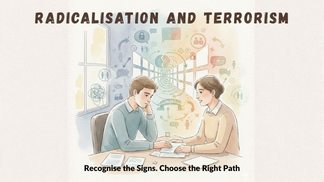

This course introduces the topic of radicalisation and terrorism in a clear and practical way suitable for learners in education and workplace environments.
Radicalisation is a gradual process where an individual can be influenced into adopting extreme views or harmful ideologies. It often begins with feelings such as isolation, frustration, injustice, or a strong need to belong. Online spaces, social media, and peer influence can sometimes intensify these vulnerabilities.
The aim of this course is not to turn learners into investigators or security officers. Instead, it helps you understand how radicalisation can develop, how extremist influence works, and how early awareness can protect individuals and communities.
You will explore:
the psychological journey behind radicalisation
how online content can influence beliefs and behaviour
the role of media and group influence
the UK Prevent Strategy
how communities, education, and workplaces help prevent harm
when and how to raise a concern safely
The course also explains the responsibilities placed on organisations and individuals under the UK safeguarding framework, including the Prevent Duty.
By the end of this course, you will feel more confident recognising warning signs, supporting others appropriately, and knowing the correct steps to take if you are worried about someone’s safety or wellbeing.
The focus throughout is simple: early support, safe conversations, and protecting people not blame or judgement.
Radicalisation can affect anyone, and it does not always look obvious. Often, small behavioural changes appear long before serious harm occurs.
Understanding these early indicators helps create a safer learning and working environment for everyone. Speaking up appropriately is not causing trouble it is safeguarding.
After completing this course you will be able to:
understand what radicalisation means in real-life situations
recognise possible vulnerability factors and warning signs
understand the purpose of the UK Prevent Strategy
respond calmly and appropriately to concerns
know who to speak to and how to report safely
support others without confrontation or personal risk