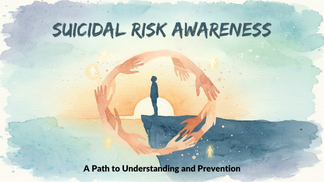

This course provides learners with the awareness and confidence to recognise and respond to signs of suicidal distress within an apprenticeship and workplace environment.
Adult apprentices often balance work responsibilities, study pressures, financial commitments and family responsibilities. These pressures can significantly affect mental wellbeing. The course explains how suicidal thoughts can develop, how stigma prevents people from seeking help, and how simple, compassionate conversations can reduce risk and encourage early support.
Learners are not expected to diagnose or treat mental health conditions. Instead, the course focuses on practical peer support: noticing changes, starting safe conversations, listening without judgement, and guiding individuals towards appropriate professional help and UK support services.
Learners will also understand how to recognise warning signs in themselves, seek help when needed, and maintain their own wellbeing while supporting others. The overall aim is to help create safer, more supportive learning and workplace communities.
Why Suicide Awareness Matters in Apprenticeships
Tackling Stigma and Starting Honest Conversations
Noticing Changes in Yourself and What To Do Next
Spotting Risk in Others and How to Help
Compassionate, Confidence-Building Conversations
Support Pathways, UK Resources and Staying Well Together
By the end of this course, learners will be able to:
Recognise early warning signs of emotional distress and suicidal risk
Start supportive and safe conversations with someone who may be struggling
Listen calmly and without judgement
Know when and how to seek urgent or professional help
Signpost individuals to appropriate support services and resources
Protect their own wellbeing while supporting others
This course is suitable for:
Apprentices and adult learners
Workplace teams and supervisors
Training provider staff and mentors
Anyone wanting confidence in supporting others safely
No previous mental health training is required.
Suicide awareness helps learners to:
recognise risk earlier
reduce stigma around mental health
support colleagues safely
seek help before crisis point
Early conversations and clear support pathways can make a critical difference in someone’s safety and wellbeing.